


SFP Module vs. SFP+ Module: Do You Need the Upgrade?

SFP Transceiver and SFP+ Transceiver Overview
What is 1G SFP Optical Module?
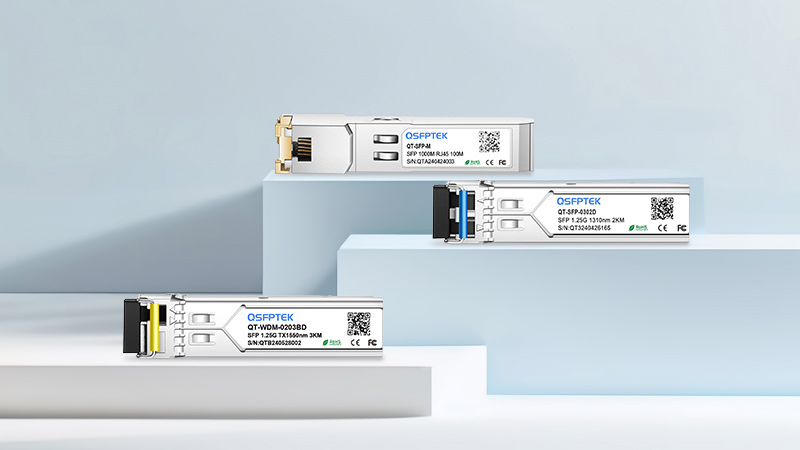
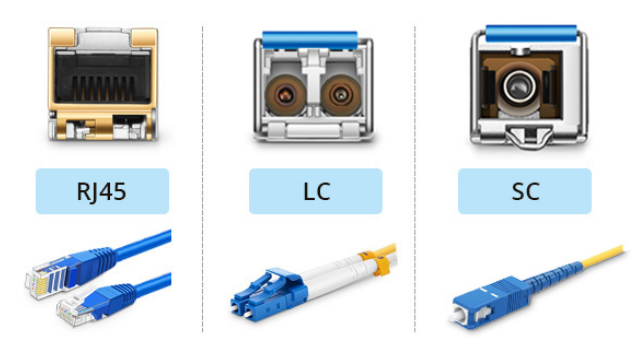
The 1G SFP optical module is a small form-factor pluggable optical transceiver, also known as mini-GBIC. It is compact and hot-swappable, primarily used in network applications such as Gigabit Ethernet and Fibre Channel. Its SFP port accepts both optical fibers and copper cables, allowing for flexible installation in SFP ports on devices, converting optical signals into electrical signals. SFP module transceivers are widely used in telecommunications and data communications applications.
What is 10G SFP+ Optical Module?
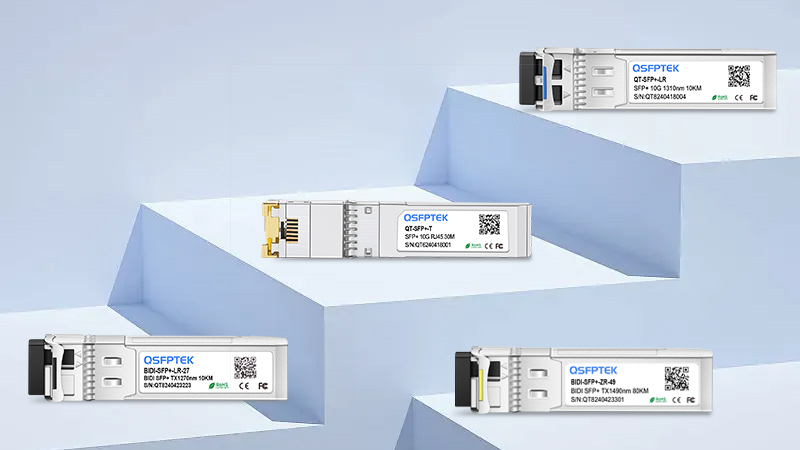
The 10G SFP+ optical module is an upgraded version of the 1G SFP transceiver modules. The SFP+ transceiver offer a transmission rate of 10 Gbps while maintaining a compact size, compared to 1 Gbps for the 1 G SFP transceiver. They are commonly used in high-speed network scenarios such as 10 Gigabit Ethernet and data centre interconnects. It also supports both optical and copper cable access and can be flexibly installed in SFP+ ports on devices to convert optical and electrical signals.
The Value of SFP Fiber Module
Cost-effectiveness
SFP optical modules offer an extremely high cost-effectiveness for network construction. Compared to higher-speed optical transceivers, 1G SFP modules are cheap while meeting the basic bandwidth needs of small and medium-sized enterprises, campus networks, and some data centers. Their modular design allows users to flexibly choose single-mode or multimode fiber based on their specific needs. Furthermore, SFP transceiver modules support on-demand expansion, eliminating the need for enterprises to purchase large quantities of equipment initially. Instead, they can be added gradually as the network scales, effectively reducing overall construction, operation and maintenance costs.
Compatibility
SFP transceivers have strong compatibility. Most switches, routers and servers from leading network equipment manufacturers have SFP slots. This makes it easy to integrate SFP modules into existing network architectures, thereby reducing the complexity of equipment upgrades or replacements. Furthermore, 1G transceiver modules support different transmission media and distance options, including fiber and copper cables, as well as short and long distance transmission.
The Advantages of 10GbE SFP+ Optical Modules
High Bandwidth
The most significant feature of the 10GbE SFP+ transceiver modules is its higher bandwidth. Compared to traditional 1GbE SFP modules, its transmission speed is ten times faster, meeting the high-speed data transmission needs of data centers, large enterprise networks, and high-performance computing environments. This high bandwidth not only accelerates file transfers and data backups, but also supports high-speed scenarios such as high-definition video, virtualization applications, and cloud services, significantly improving overall network performance and work efficiency.
Scalability
10GbE SFP+ optical transceivers offer excellent scalability, allowing users to flexibly add or replace transceivers based on network needs without having to replace the entire network equipment. Whether upgrading from 1G to 10G or adding more nodes to an existing 10G network, the SFP+ transceiver can easily adapt.
When Is 1G SFP Transceiver Module Still Good Enough?
SMB Daily Operations
For most small and medium-sized enterprises, daily office network is mainly used for tasks such as email, office software, file sharing, and Internet access. The demand for network bandwidth for these applications is relatively stable and not high. 1G SFP optical modules can fully meet daily network needs while ensuring the stability and reliability of data transmission. Using 1G transceiver modules can not only support existing business.
Small to Medium Surveillance Systems
In some small or medium-sized surveillance systems, such as offices, shops, or small factories, the number of surveillance cameras is limited, and the video transmission resolution is usually 1080p or slightly higher. In such scenarios, 1G SFP optical modules can stably transmit high-definition video streams and support multiple video access channels, ensuring clear surveillance images with low latency, meeting security and management requirements.
Budget Constraints
For businesses or organisations with limited budgets, 1G SFP transceiver modules are the most cost-effective option. Compared to 10G or higher-speed modules, 1G modules are more affordable and compatible with most mainstream switches, routers and servers. Using 1G transceiver modules within a limited budget can help to keep network construction costs under control while allowing for future upgrades.
When Does 10G Become Essential?
Data-heavy Industries
Data-intensive industries such as finance, healthcare, scientific research and high-performance computing require networks that can handle large volumes of data transmission and high-speed computing. Traditional 1G networks are susceptible to bottlenecks when faced with such volumes of data. 10G transceiver modules, however, offer up to 10Gbps of bandwidth, enabling rapid transmission and real-time processing of large amounts of data, ensuring efficient business system operation and avoiding delays and data backlogs.
High-concurrency Environments
In scenarios involving high concurrency, such as e-commerce platforms, online education and cloud service data centres, the network must be able to handle a large number of user access requests and data exchanges simultaneously. 10G optical modules can provide sufficient bandwidth to support multiple users online simultaneously, ensuring network stability and low latency, thereby improving user satisfaction and business continuity.
Future Growth Scenarios
With the digital transformation of enterprises, the deployment of the Internet of Things, and the popularization of applications such as high-definition video and artificial intelligence, network traffic will continue to grow. Even though the current 1G network can still meet demand, deploying 10G optical modules has a forward-looking advantage. It supports long-term network development and helps avoid the high cost and inconvenience of frequent equipment replacement. This is especially useful for future business expansion and technology upgrades.
How to Decide Between SFP vs SFP+ Modules?
Different businesses have different requirements for transceiver modules. The following table summarizes the differences between SFP and SFP+ modules in various aspects, providing a clear reference for your transceiver selection.
SFP transceivers are known for their low cost, low power consumption, and wide compatibility, making them ideal for small to medium businesses with modest network needs. By contrast, SFP+ transceivers offer high bandwidth and excellent scalability. This makes them essential for data-intensive industries, environments with high concurrency, and future-proof network planning.
Conclusion: Do You Need the Upgrade?
Whether you need to upgrade from SFP to SFP+ largely depends on your network demands and long-term growth strategy. Overall, 1G SFP modules meet today’s basic requirements, while 10G SFP+ modules represent a wiser investment for supporting increasingly data‑driven applications.


share

